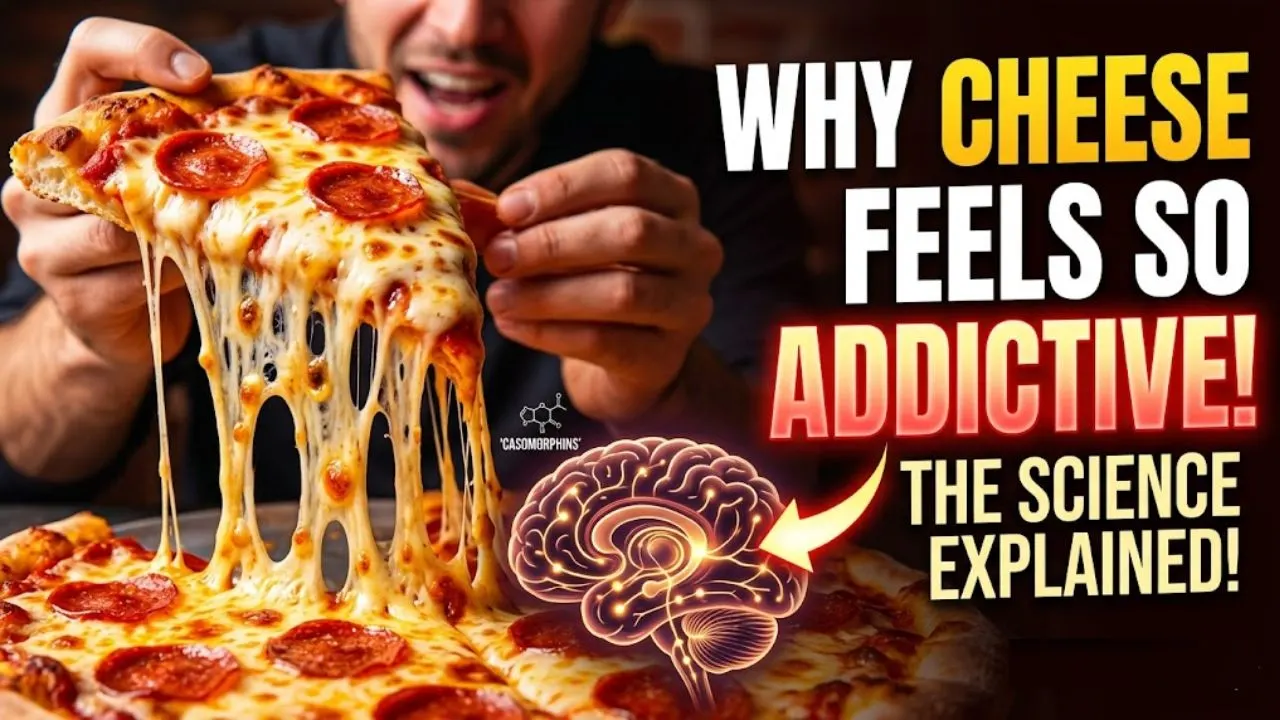
Imagine a world where your daily routine includes a warm, cheesy slice of your favorite pizza. While it sounds like a foodie’s ultimate dream, medical experts warn that treating this beloved comfort food as a dietary staple can quickly turn against you. If you have ever wondered what the health effects of a daily pizza habit are, here is the science behind what really happens to your body.
The Immediate Impact: Spikes and Sluggishness
When you consume commercial pizza regularly, the first thing your body battles is the refined carbohydrates. The traditional white flour crust acts essentially like sugar in your bloodstream, triggering an immediate physical response.
- Insulin Spikes: Nutritionists note that refined carbs cause a rapid surge in blood glucose, followed by a sharp crash. This rollercoaster leaves you feeling lethargic, fatigued, and ironically craving more junk food shortly after eating.
- Digestive Distress: Most fast-food pizzas severely lack dietary fiber. Combined with heavy dairy from thick layers of cheese, a daily pizza diet frequently leads to bloating, constipation, and overall gut sluggishness.
Long-Term Risks: Heart Health Under Siege
The true danger of eating pizza daily lies in its hidden nutritional profile. A single slice of commercial pepperoni pizza can pack over 300 calories, 12 grams of fat, and a staggering 700 milligrams of sodium.
- Cardiovascular Strain: The American Heart Association recommends keeping daily sodium intake under 2,300 milligrams. Just three slices of pizza can push you past this limit, increasing water retention, elevating blood pressure, and forcing your heart to work overtime.
- Saturated Fats: Processed meats like pepperoni, bacon, and sausage are loaded with saturated fats and preservatives. Over time, daily consumption elevates LDL (bad) cholesterol, significantly raising the risk of heart disease and strokes.
The Caloric Trap and Nutrient Deficiencies
A daily pizza habit inevitably paves the way for rapid weight gain. Because ultra-processed pizza is highly palatable but lacks satiating fiber, it is incredibly easy to over-consume calories without feeling full.
Furthermore, by filling up on calorie-dense, nutrient-poor slices, you naturally edge out essential whole foods. Your body begins missing out on crucial vitamins, lean proteins, and antioxidants typically found in fresh vegetables and whole grains. Over time, this nutritional void can compromise your immune system and leave your metabolic health severely weakened.
The Bottom Line
You do not have to banish pizza from your life entirely; the poison is in the dose. The stark difference between a highly processed fast-food slice and an artisanal, wood-fired pie matters. If you truly love pizza, consider making it at home using a whole-wheat or cauliflower crust, loading it up with fresh greens, and opting for lean proteins like grilled chicken.
The Takeaway: A daily commercial pizza habit trades your long-term health for short-term comfort. Treat pizza as the occasional reward it was meant to be, rather than a daily dietary crutch.
Challenge yourself this week: Swap your next takeout order for a homemade, nutrient-packed alternative. What is your favorite healthy pizza topping? Let us know in the comments below!
Imagine a world where your daily routine includes a warm, cheesy slice of your favorite pizza. While it sounds like a foodie’s ultimate dream, medical experts warn that treating this beloved comfort food as a dietary staple can quickly turn against you. If you have ever wondered what the health effects of a daily pizza habit are, here is the science behind what really happens to your body.
The Immediate Impact: Spikes and Sluggishness
When you consume commercial pizza regularly, the first thing your body battles is the refined carbohydrates. The traditional white flour crust acts essentially like sugar in your bloodstream, triggering an immediate physical response.
- Insulin Spikes: Nutritionists note that refined carbs cause a rapid surge in blood glucose, followed by a sharp crash. This rollercoaster leaves you feeling lethargic, fatigued, and ironically craving more junk food shortly after eating.
- Digestive Distress: Most fast-food pizzas severely lack dietary fiber. Combined with heavy dairy from thick layers of cheese, a daily pizza diet frequently leads to bloating, constipation, and overall gut sluggishness.
Long-Term Risks: Heart Health Under Siege
The true danger of eating pizza daily lies in its hidden nutritional profile. A single slice of commercial pepperoni pizza can pack over 300 calories, 12 grams of fat, and a staggering 700 milligrams of sodium.
- Cardiovascular Strain: The American Heart Association recommends keeping daily sodium intake under 2,300 milligrams. Just three slices of pizza can push you past this limit, increasing water retention, elevating blood pressure, and forcing your heart to work overtime.
- Saturated Fats: Processed meats like pepperoni, bacon, and sausage are loaded with saturated fats and preservatives. Over time, daily consumption elevates LDL (bad) cholesterol, significantly raising the risk of heart disease and strokes.
The Caloric Trap and Nutrient Deficiencies
A daily pizza habit inevitably paves the way for rapid weight gain. Because ultra-processed pizza is highly palatable but lacks satiating fiber, it is incredibly easy to over-consume calories without feeling full.
Furthermore, by filling up on calorie-dense, nutrient-poor slices, you naturally edge out essential whole foods. Your body begins missing out on crucial vitamins, lean proteins, and antioxidants typically found in fresh vegetables and whole grains. Over time, this nutritional void can compromise your immune system and leave your metabolic health severely weakened.
The Bottom Line
You do not have to banish pizza from your life entirely; the poison is in the dose. The stark difference between a highly processed fast-food slice and an artisanal, wood-fired pie matters. If you truly love pizza, consider making it at home using a whole-wheat or cauliflower crust, loading it up with fresh greens, and opting for lean proteins like grilled chicken.
The Takeaway: A daily commercial pizza habit trades your long-term health for short-term comfort. Treat pizza as the occasional reward it was meant to be, rather than a daily dietary crutch.
Challenge yourself this week: Swap your next takeout order for a homemade, nutrient-packed alternative. What is your favorite healthy pizza topping? Let us know in the comments below!
ALSO READ Midnight Slice: The Scientific Reason Why Pizza Tastes Better at Night